(Image source from: PTI)
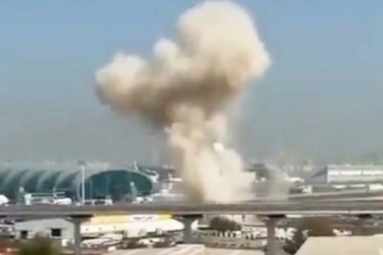
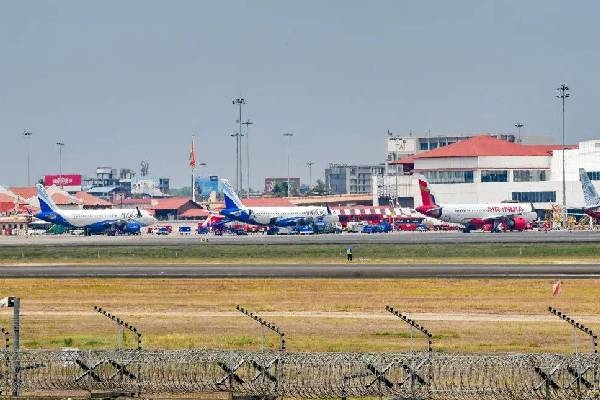
International journeys via important Middle Eastern locations are still greatly impacted as ongoing regional conflicts change how flights are organized. Travelers from India, in particular, are dealing with numerous cancellations, long delays, and changing guidelines as airlines modify their timetables due to airspace limitations. Recent updates show that 278 flights planned for March 6 were cancelled by Indian domestic airlines because of restrictions connected to the current conflict involving the United States, Israel, and Iran. The Ministry of Civil Aviation has confirmed that flight operations are being closely monitored while airlines try to bring back some services when possible. The situation has been particularly unstable since airspace closures began on February 28. Key travel centers like Dubai, Qatar, Kuwait, and Bahrain are still seeing significant operational challenges. Several Middle Eastern airlines have halted regular flights, with only a few special services running during limited safe periods.
Although the disruptions aren't finished, some Indian airlines have begun to open narrow paths for travel again. IndiGo has restarted flights to Athens, Muscat, Jeddah, and Madinah, and is also running certain repatriation flights to the United Arab Emirates for travelers left stranded. Air India has shared plans to gradually resume flights connecting Jeddah with Delhi and Mumbai, as well as offering more long-haul routes to Toronto, Frankfurt, and Paris. These changes rely heavily on getting the right airspace permissions, and flight schedules are likely to change often. Many major airlines in the region still have their regular operations on hold. Emirates, the biggest international airline, has prolonged its suspension of flights into and out of Dubai until March 7. Qatar Airways has released similar statements, saying that its flights will stay suspended until further notice, with more details to come soon. These ongoing suspensions have resulted in airports across India managing large groups of stranded travelers. Reports suggest that about 180 flights from Delhi, Mumbai, and Bengaluru were cancelled in one day because planes could not be safely directed through restricted areas.
Travelers with bookings to the Middle East or destinations beyond through Gulf hubs are advised to stay updated on airline announcements. Many airlines are offering limited options for rescheduling, and some are organizing special flights for passengers who are stranded. Lines at airport help desks remain lengthy, and passengers should reach out to airlines directly instead of relying only on airport notice boards. For now, those planning to travel through the Middle East are recommended to stay flexible and regularly check for new updates before going to the airport.