
(Image source from: Canva.com)
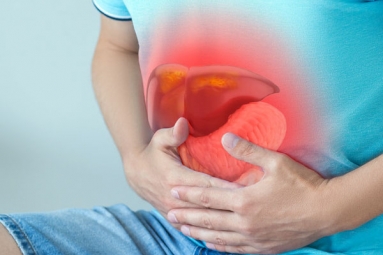
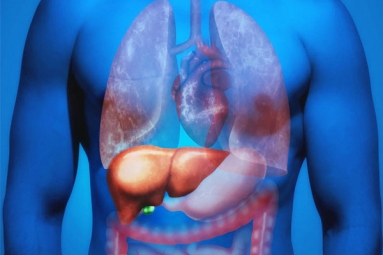
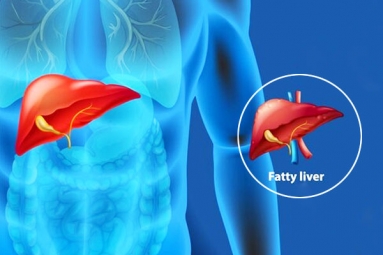
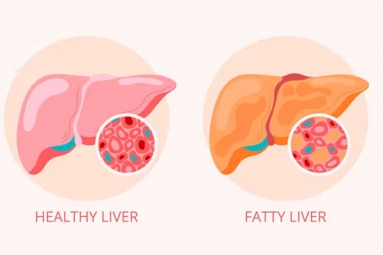
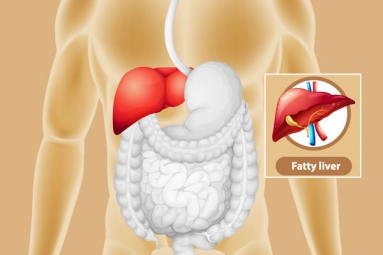
Fatty liver disease is frequently linked to poor dietary choices, being overweight, and not exercising enough. Nevertheless, specialists claim that there is another significant risk factor that is often ignored. This factor is inadequate sleep. A study featured in the World Journal of Hepatology reveals that insufficient sleep can greatly raise your chances of developing fatty liver disease, and irregular sleep patterns may aid in causing fatty liver disease, also referred to as Metabolic Dysfunction-Associated Steatotic Liver Disease (MASLD). As people become more aware of liver health, health professionals are encouraging individuals to consider good sleep as a crucial element for preventing disease. Research indicates that limited sleep time, low sleep quality, and irregular sleep cycles independently increase the chance of fat building up in the liver. The liver depends on the body’s internal clock to work properly. Poor sleep can disturb this natural rhythm, impact hormone levels, and elevate inflammation across the body. Over time, these alterations may raise the likelihood of developing fatty liver disease.
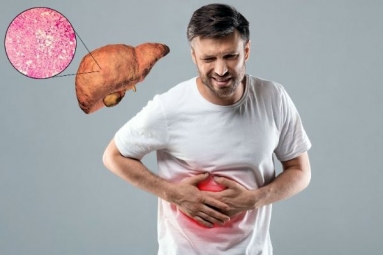
This issue is especially serious because fatty liver disease usually develops without noticeable symptoms, leading many to remain unaware until the condition escalates. Experts highlight that sleep is vital for managing metabolism, blood sugar control, fat storage, and inflammation. Dr. Shraddha Sharma, a Consultant Gastroenterologist at Paras Health Udaipur, explains that insufficient or poor-quality sleep can lead to increased stress hormones and make the body less effective at breaking down fats. "When sleep is consistently lacking, the body is more susceptible to insulin resistance and metabolic issues. These alterations can promote fat buildup in the liver and enhance the risk of developing fatty liver disease," she states. Numerous studies have also connected ongoing sleep deprivation with obesity and diabetes, which are two significant risk factors for MASLD.
Even though fatty liver disease may initially be symptomless, if left untreated, it can evolve into more severe health issues. Over time, an excess of fat in the liver can result in inflammation, scarring (fibrosis), cirrhosis, and even liver cancer in certain cases. It can also heighten the chances of heart disease and other metabolic problems. This underscores the need for early prevention and changes in lifestyle. While poor diet and lack of physical activity remain major factors contributing to fatty liver disease, sleep is becoming a vital aspect that should not be overlooked. Experts stress that making restorative sleep a priority can aid metabolism, lower inflammation, and help safeguard liver health over time. As understanding of fatty liver disease expands, doctors emphasize that maintaining good health involves more than just diet and exercise. Getting sufficient quality sleep might be equally crucial for ensuring liver health.