
(Image source from: Timesofindia.indiatimes.com)
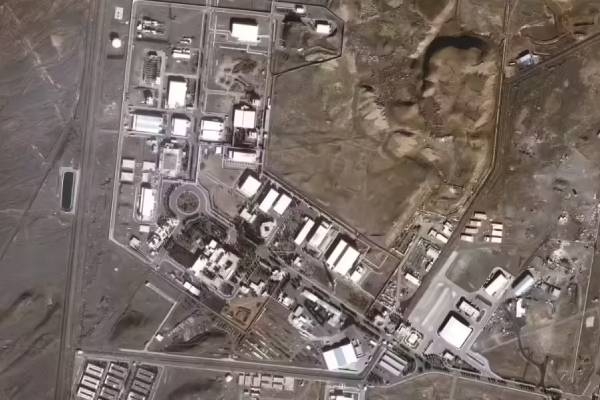
Iran's Natanz nuclear enrichment site was struck by an air raid on Saturday, as reported by the official news agency Mizan, which noted there was no release of radiation from the location. This attack occurred as the ongoing fighting in Western Asia reaches its fourth week, with no signs of de-escalation. Natanz, which is Iran's main uranium enrichment center, had already been attacked earlier during this conflict, with satellite photos revealing damage to multiple buildings. At that time, the United Nations' nuclear monitoring agency stated that the attack had "no radiological consequences. " Situated roughly 220 kilometers southeast of Tehran, this facility has been targeted in previous conflicts as well, including Israeli assaults during the 2025 Iran-Israel war and earlier operations by the US. The latest attack comes amidst unclear signals from Washington. US President Donald Trump mentioned on Friday that he was thinking about "winding down" military activities in the area. However, the US is also strengthening its military presence by sending in three more amphibious assault ships and about 2,500 Marines.
Trump's comments came after an Iranian warning to strike leisure and tourist areas worldwide, raising concerns about a potential escalation. Concurrently, the US government has decided to relieve pressure on energy markets by lifting sanctions on Iranian oil that is already on ships since rising crude prices are affecting global markets and causing fluctuations in US stocks. Meanwhile, the situation on the ground is getting worse. Israel claimed that Iran launched new missiles early Saturday, while Saudi Arabia announced it intercepted 20 drones in a matter of hours over its eastern region, which is crucial for oil infrastructure. This escalation occurred just a day after Israeli airstrikes targeted Tehran during Nowruz celebrations for the Persian New Year, overshadowing what is usually a joyful time. With continued attacks on essential infrastructure, including nuclear sites, the conflict seems to be entering a more perilous and prolonged phase. The United Nations' nuclear oversight agency mentioned that it is looking into reports from Iran that the Natanz nuclear site was struck during the ongoing tension with the United States and Israel. International Atomic Energy Agency (IAEA) director Rafael Grossi called for caution, warning of the dangers these strikes could bring. He emphasized the importance of avoiding any situations that might lead to a nuclear incident.
The IAEA has been notified by Iran that the Natanz nuclear facility was attacked today. According to the agency, "No rise in off-site radiation levels has been detected," in a message shared on X.